
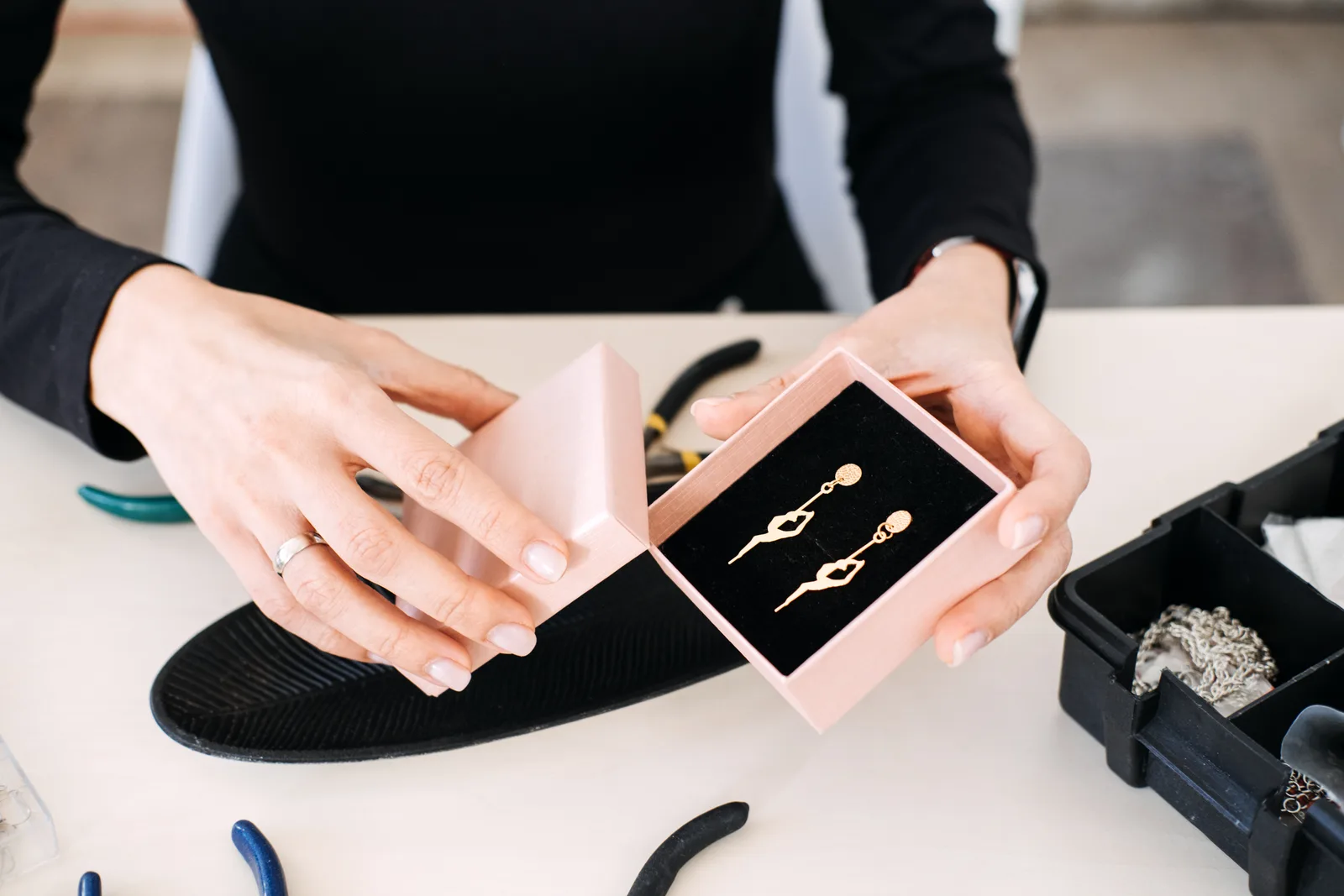
Understanding Gold Plating Durability
Gold plated jewellery and accessories allow enthusiasts to enjoy the radiant warmth of solid 18K or 916 gold with exceptional versatility. However, one of the most frequent questions brought to our Victoria Street showroom is: “Why did my gold plating start fading after only six months?”
The lifespan of gold plating is governed by two main factors: the micron thickness of the gold applied during electroplating, and the everyday environmental habits of the wearer. While high-grade custom electroplating (such as Kaisoon’s 2.0 to 3.0-micron deep plating) is engineered to resist wear for years, improper daily habits can erode even the finest gold surfaces prematurely.
5 Everyday Habits That Destroy Gold Plating
Singapore’s tropical climate, characterized by high humidity and heat, creates an environment where plated items are subjected to heightened chemical interaction. Here are the primary culprits behind rapid plating erosion:
- Direct Exposure to Perfumes & Colognes: Synthetic fragrances contain alcohol and volatile organic compounds that chemically react with the thin top layer of electroplated gold, causing rapid tarnish and discoloration. Always follow the golden rule: Jewellery should be the last thing you put on in the morning, and the first thing you take off at night.
- Showering and Swimming in Chlorinated Pools: Chlorine is a aggressive oxidizing agent that attacks metal alloys beneath the gold skin. Even mild bath soaps leave microscopic film deposits that dull the brilliant luster of 18K gold over time.
- Perspiration and Body pH: Human sweat contains natural salts and uric acid. Individuals with higher skin acidity will notice faster wear on rings and bracelet inner bands where skin contact is constant.
- Abrasive Household Cleaning Products: Bleach, ammonia, and dishwashing liquids stripped gold atoms from plated surfaces rapidly. Always remove plated rings before household chores.
- Friction from Hard Storage Surfaces: Tossing plated necklaces together in a tray causes metal-on-metal friction, creating micro-abrasions that wear down the micron layer.
The Professional Maintenance Protocol
| Action Step | Recommended Frequency | Best Practice Method |
|---|---|---|
| Microfiber Wipe-Down | After Every Wear | Gently buff surfaces with an untreated, ultra-soft lint-free microfiber cloth to clear skin oils. |
| Airtight Separation | Daily Storage | Store each piece individually in soft velvet pouches or zip-seal anti-tarnish bags away from moisture. |
| Deep Ultrasonic Spa Clean | Every 6–12 Months | Bring pieces to a professional atelier for low-frequency ultrasonic cleaning and microscopic checkups. |
Micron Thickness: Flash Plating vs. Heavy Micron Plating
Not all plating is created equal. Commercial fashion jewelry typically uses “flash plating” (less than 0.175 microns thick), which rubs off easily within months. In contrast, heavy micron plating deposits between 1.0 to 3.0 microns of genuine gold onto base metals like silver or brass, extending its lifespan to 3 to 5 years under proper care. When your gold plating eventually shows natural signs of wear, a simple professional re-plating service at our Victoria Street atelier instantly restores it to brand-new showroom condition.
Is Your Favourite Jewellery Losing Its Luster? Bring your tarnished or faded pieces to Kaisoon’s Victoria Street workshop. We provide complimentary plating thickness inspections and instant re-plating quotations.