
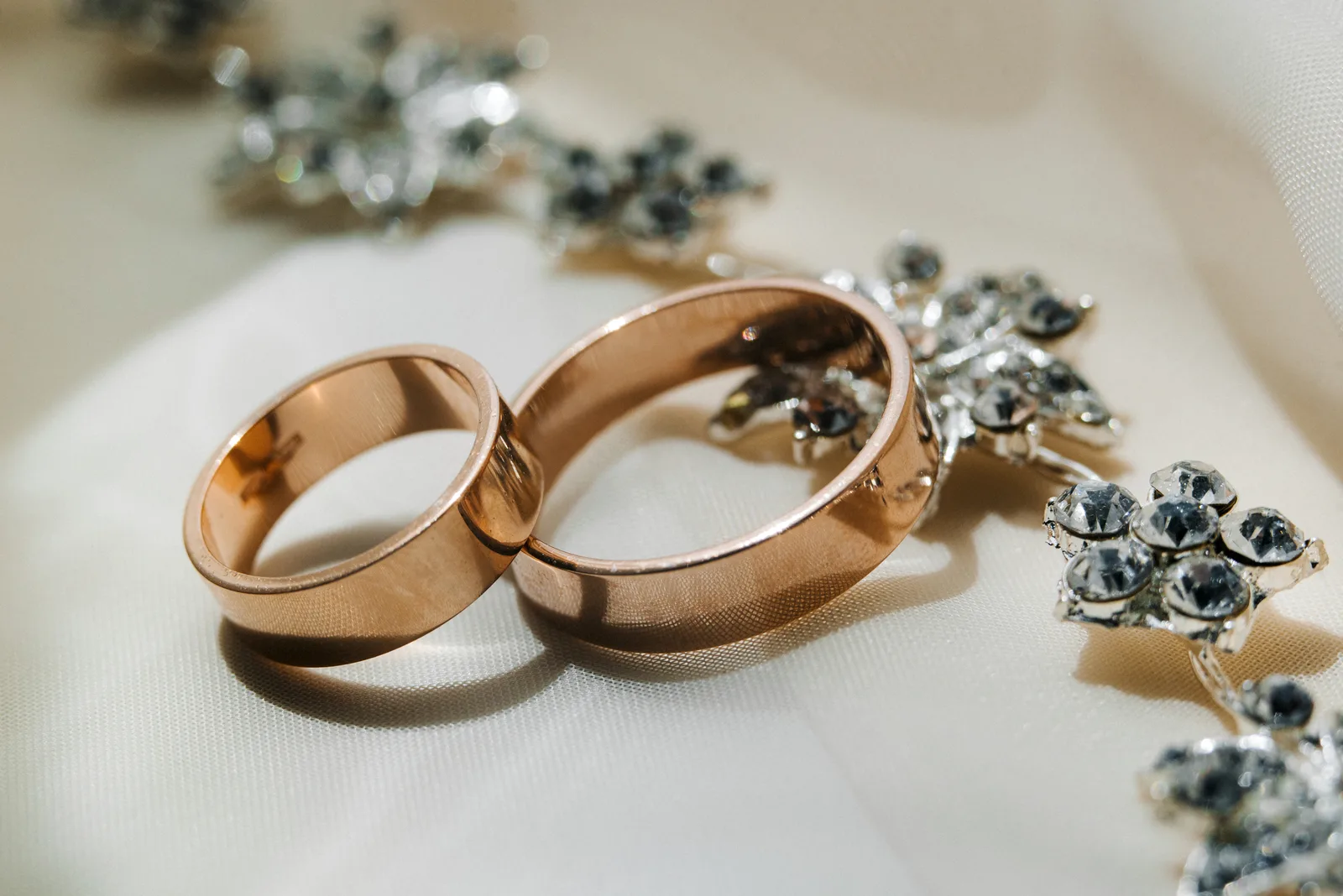
Introduction: The Dual-Metal Elegance
Two-tone jewellery—the harmonious fusion of yellow gold and white rhodium, or rose gold and platinum within a single design—represents one of the pinnacles of fine metalwork. Popularized in the mid-20th century by historic European jewellery houses, the aesthetic offers versatility that monochrome metal pieces simply cannot match. A two-tone ring or bracelet effortlessly complements both gold and silver accessories, creating a balanced visual bridge across a collector’s entire wardrobe.
However, ask any contemporary commercial jeweller to create or re-plate a complex two-tone piece, and you will often be met with hesitation. Across modern jewellery production, true two-tone craftsmanship is rapidly becoming a lost art. As mass manufacturing shifts toward laser-welded pre-fabricated parts and single-bath automated electroplating, the multi-stage manual skill required to forge and restore dual-metal pieces is disappearing.
The Technical Challenge: Precision Electro-Chemical Masking
Creating or restoring a two-tone piece demands two fundamentally distinct skill sets operating simultaneously: master goldsmithing and precision electrochemical plating. When plating a single-color piece—for instance, turning a silver ring into 18K yellow gold—the entire item is submerged into an electrolytic bath where electric current deposits gold ions evenly across the exposed surface. In two-tone work, however, specific sections must be entirely shielded while adjacent areas undergo chemical transformation.
The Master Craftsman’s Dilemma: “A fraction of a millimeter error in chemical masking paint will result in white rhodium bleeding into warm yellow gold. There is zero tolerance for error; the boundary line must be razor-sharp under 10x magnification.”
The process follows a painstaking, multi-step sequence:
- Surface Micro-Polishing: The entire piece is polished to remove microscopic oxidation, scratches, and oil residues. Any impurity on the base metal will prevent uniform gold or rhodium adhesion.
- First Metal Deposition: The primary base metal plating is applied across the entire piece in a controlled electrochemical bath.
- Hand Masking with Lacquer: Artisans use specialized liquid masking resins applied under optical magnification. Every curve, prong, or groove that must retain its original metal finish is hand-painted and heat-cured.
- Secondary Plating Bath: The unmasked areas are submerged into the secondary solution—such as rhodium or 916 yellow gold—under precise voltage and temperature calibration.
- Lacquer Stripping & Ultrasonic Cleaning: The masking resin is chemically dissolved, revealing crisp, flawless metallic boundaries without damaging either surface layer.
Why Modern Mass Brands Are Abandoning Two-Tone Work
In high-volume commercial manufacturing, time is the ultimate constraint. Automated plating lines are designed to process hundreds of items per hour. Two-tone plating, by contrast, demands up to four times as long per piece due to the curing and manual masking phases. Furthermore, if a single mask bleeds, the entire piece must be stripped down to the raw metal base and restarted from scratch—a risk that mass retailers are unwilling to accommodate.
Preserving the Craft at Victoria Street
At Kaisoon Consultancy’s Victoria Street workshop, we view two-tone work not as an outdated burden, but as a signature testament to true artisanal mastery. By combining traditional hand-painted masking techniques with modern micro-voltage electroplating rectifiers, our in-house craftsmen restore faded vintage dual-tone pieces and forge bespoke two-tone creations that hold their sharp contrast for years to come.
Restore Your Two-Tone Heirlooms: Do you own a faded vintage Cartier Trinity ring or a dual-tone bracelet in need of crisp restoration? Visit our Victoria Street showroom or send a photo to our WhatsApp team for an expert evaluation.